
What’s the Best Steak Cut for Outdoor Grilling?
Finding the best steak cut should enhance the enjoyment of outdoor cooking, not create tension around timing or technique. Many grill sessions start with great intentions and quality meat, yet still feel rushed or uncertain once the heat comes on. The difference often comes down to choosing a steak that matches how you grill and how your outdoor space supports the moment.
With steady heat, flexible zones, and a reliable setup like the TrueFlame grill, steak nights take on a relaxed pace that invites conversation and connection.
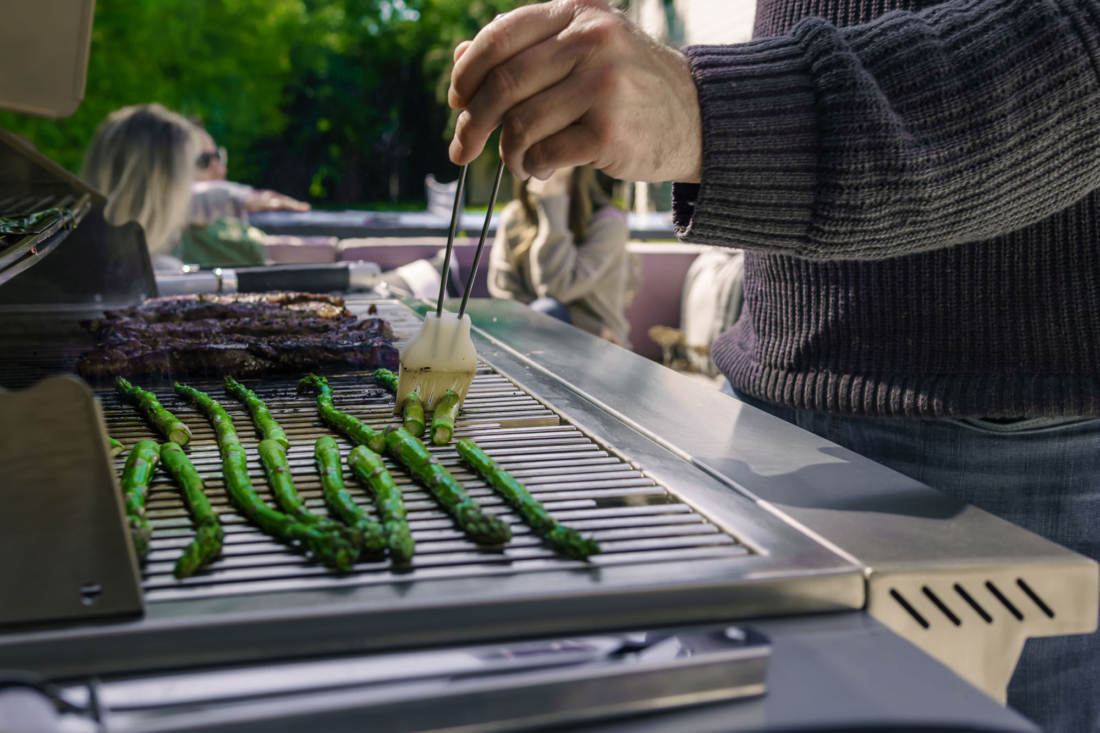
How the Right Steak Choice Sets the Tone for the Entire Grill Session
The steak you choose influences everything that follows. Thickness affects timing. Fat content shapes how heat behaves. Size determines whether slicing happens before or after serving. Once these details align with your grilling style, the session flows more smoothly from start to finish.
A thoughtful choice helps you:
- Stay ahead of timing instead of chasing it
- Use heat and don't mess with it
- Enjoy the process without hovering over the grill
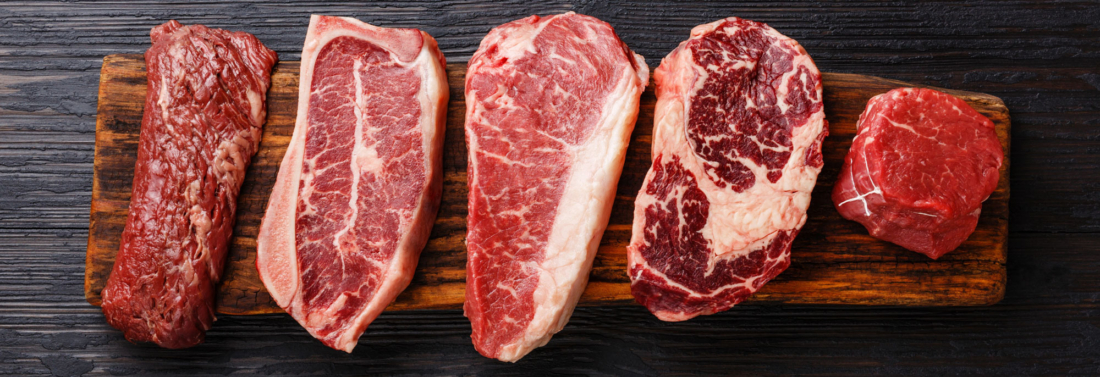
Best Steak Cut Options That Shine Across Different Grilling Styles
Each cut responds differently to heat, rest, and movement across the grill. Understanding those differences makes selection feel intuitive.
Ribeye
- Why it works: Rich marbling helps retain moisture and enhance flavor.
- Watch for: Flare-ups as fat renders.
- Best method: Sear over direct heat, then finish gently.
- Ideal thickness: 1¼–1½ inches.
- Flexibility: High.
Ribeye suits cooks who want bold flavor with room to adjust.
New York Strip
- Why it works: Firm structure with a clean beef profile.
- Watch for: Leaner center than ribeye.
- Best method: Even heat with steady turns.
- Ideal thickness: At least 1¼ inches.
- Flexibility: Moderate to high.
This cut rewards attention without demanding constant oversight.
Filet Mignon
- Why it works: Exceptional tenderness with a smooth bite.
- Watch for: Low fat means moisture escapes quickly.
- Best method: Gentle sear followed by indirect heat.
- Ideal thickness: Around 2 inches.
- Flexibility: Lower without planning.
Filet benefits from thicker cuts and calm heat management.
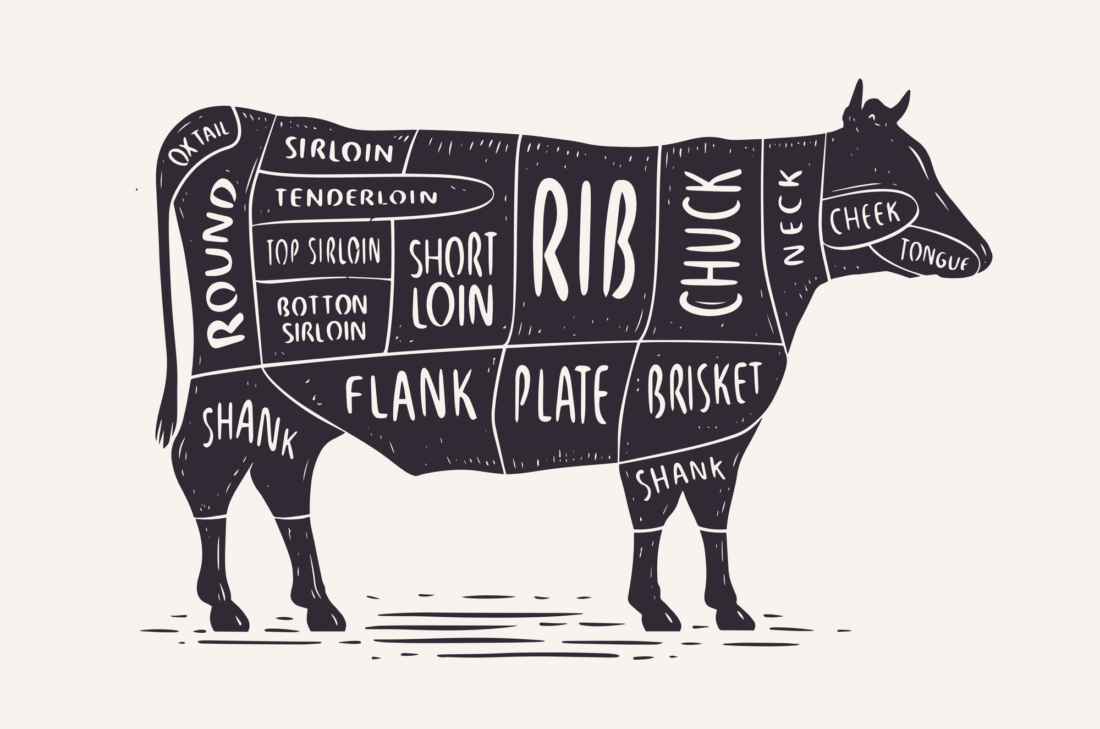
Porterhouse
- Why it works: Combines strip and filet in one steak.
- Watch for: Two muscles cooking at different speeds.
- Best method: Two-zone grilling with the lid closed.
- Ideal thickness: 1½–2 inches.
- Flexibility: Moderate with zone control.
Porterhouse pairs well with grills that handle heat transitions smoothly.
Flank Steak
- Why it works: Strong beef flavor that shines when sliced properly.
- Watch for: Grain direction and overcooking.
- Best method: Hot, fast-cook with proper rest.
- Ideal thickness: Uniform thickness matters most.
- Flexibility: Moderate when sliced across the grain.
Flank steak is ideal for gatherings where sharing and slicing take center stage.
Hanger Steak
- Why it works: Deep flavor with natural tenderness.
- Watch for: Narrow window between done and overdone.
- Best method: Quick sear with close attention.
- Ideal thickness: Whole muscle, trimmed cleanly.
- Flexibility: Moderate with thermometer guidance.
Hanger steak rewards focus and benefits from steady heat awareness.
Top Sirloin
- Why it works: Balanced value with reliable texture.
- Watch for: Dryness if pushed too far.
- Best method: Medium heat with attentive timing.
- Ideal thickness: 1–1¼ inches.
- Flexibility: Moderate.
Sirloin fits everyday grilling without unnecessary complexity.
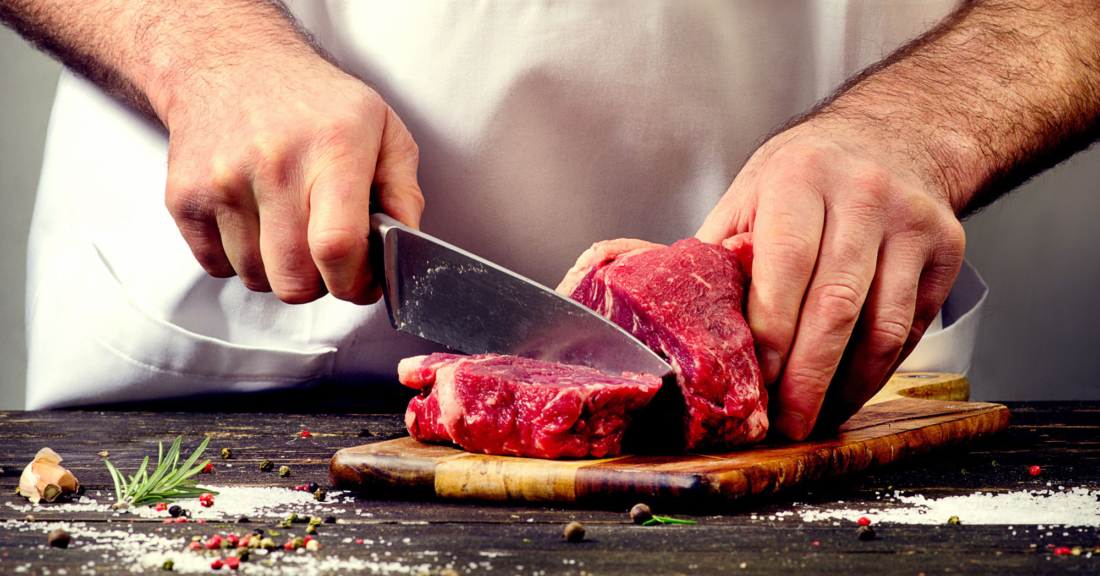
A Simple Way to Choose the Best Cut of Steak
When standing at the counter, a quick decision path helps:
- Craving richness: Ribeye
- Seeking balance: New York strip
- Prioritizing tenderness: Filet mignon
- Feeding a group: Flank steak or larger cuts for slicing
- Looking for bold flavor: Hanger steak
This approach keeps selection aligned with how you like to grill.
Temperature and Timing Tips
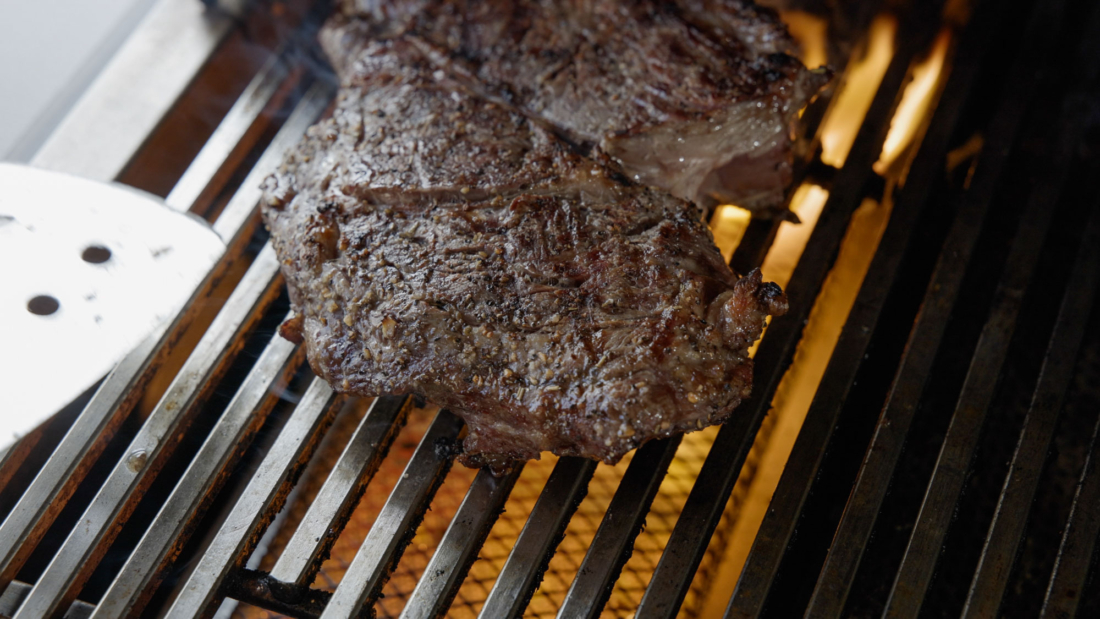
Internal temperature provides clarity that minutes cannot. Pull steaks slightly early and allow them to rest to finish the cook.
General pull points:
- Rare: about 120°F
- Medium-rare: about 130°F
- Medium: about 140°F
Resting for several minutes improves texture and keeps juices in place.
Simple Techniques That Improve Every Steak
Small adjustments often bring noticeable gains:
- Turn steaks more often for even exposure
- Shift away from flames if browning accelerates
- Allow rest time before slicing
These habits support steady results without adding pressure.
Accessories That Help Everything Flow More Smoothly
The right tools keep attention where it belongs.
Useful additions include:
- A thermometer for accurate readings
- A flat surface for controlled crust development
- A resting board for clean slicing
Each piece serves a purpose and supports an easy flow.
An Outdoor Setup That Makes Steak Nights Something to Look Forward To
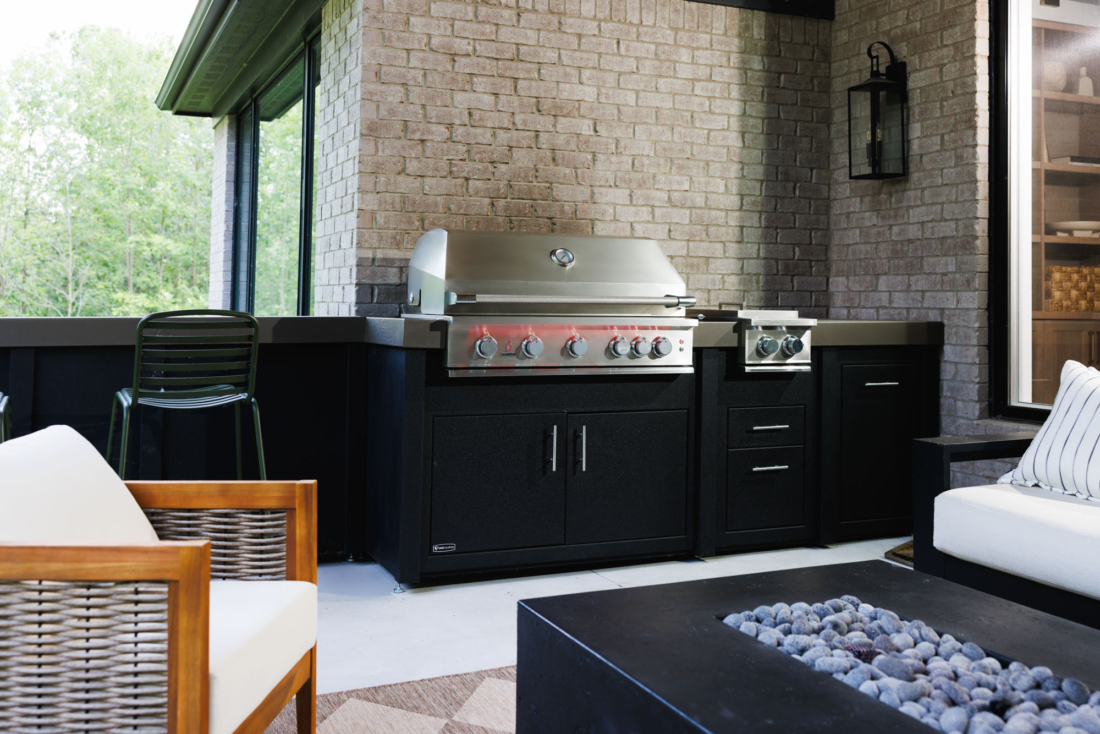
Flow shapes the experience. Clear prep space keeps movement smooth. Thoughtful lighting supports evening cooking. Seating nearby allows the cook to stay part of the gathering. With a balanced layout and dependable equipment like the TrueFlame grill, outdoor cooking feels social rather than isolating.
Best Cut of Steak Picks for the Way You Like to Grill
- Easygoing choice: Ribeye
- Balanced option: New York strip
- Tender-focused: Filet mignon
- Sharing-friendly: Flank steak
- Flavor-forward: Hanger steak
The best steak cut aligns with your grill, your space, and the pace you want to keep. With the right choice and the steady performance of a TrueFlame grill, outdoor grilling becomes less about managing the moment and more about enjoying it.