Top 10 Tips for Grilling in Winter and Cold Weather
Cold temperatures don’t mean outdoor cooking has to slow down or feel frustrating. The best tips for grilling in winter focus on preparation, flow, and thoughtful choices that keep every cook smooth from start to finish. With the right approach, winter grilling feels steady and enjoyable rather than rushed or reactive.
Many cooks find that cold-weather challenges come from small disruptions—wind, heat loss, or extra trips inside—rather than the grill itself. These winter grilling tips are designed to remove those obstacles. Each one supports better timing, steadier heat, and a more relaxed outdoor routine, even when temperatures drop.
Tip 1: Prepare the Grill Zone Before Cooking
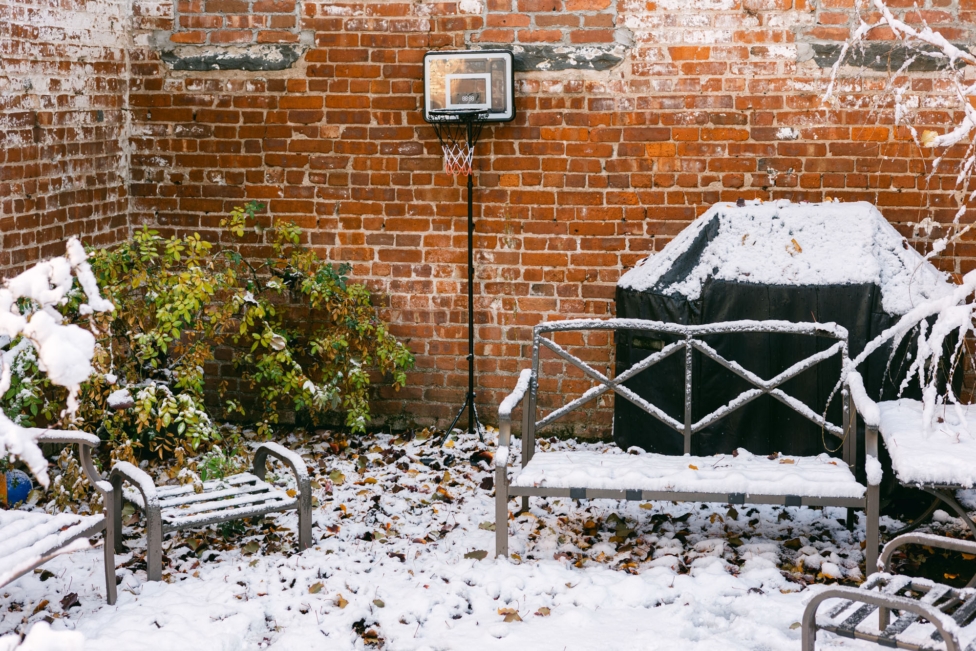
Winter grilling starts with access. Snow, ice, and early sunsets can add hesitation before food even reaches the grate. Clearing walkways, improving footing, and setting up reliable lighting make stepping outside feel natural again.
A clear grill zone also improves safety and efficiency. Open space around the grill allows heat to move properly and keeps controls easy to reach while wearing insulated gloves. Once the space feels ready, cooking feels easier.
Tip 2: Position the Grill to Reduce Wind Exposure
Wind is one of the biggest challenges during cold-weather cooks. Strong gusts pull heat away from the grill, increasing fuel use. Smart placement helps minimize that effect without compromising airflow.
Natural barriers, such as walls or fencing at a safe distance, reduce exposure and help maintain consistent temperatures. With less wind interference, adjustments become smaller, and results stay predictable.
Tip 3: Allow Extra Preheat Time
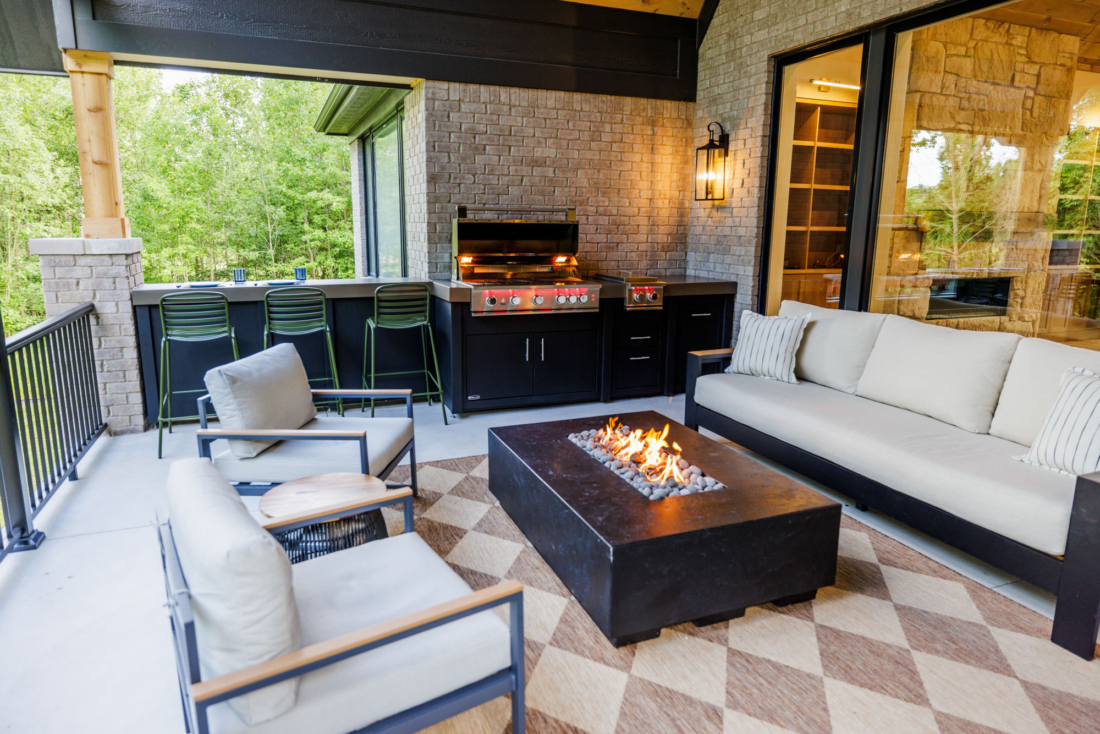
Cold metal takes longer to warm. Giving the grill additional preheat time builds a stable cooking environment and prevents sudden temperature swings later.
Patience at the start often shortens the overall cooking time. Once the grill reaches a steady range, maintaining heat becomes far easier, whether you're working on a quick weeknight meal or a longer winter cook.
Tip 4: Limit Lid Opening to Protect Heat
Each lid lift releases warmth that takes time and fuel to recover, especially in cold air. Trusting built-in thermometers or leave-in probes helps you monitor progress without constant checking.
Less hovering leads to steadier temperatures and fewer interruptions. That habit also reduces the amount of time spent standing outside during colder evenings.
Tip 5: Use Cold-Weather Accessories
Well-chosen tools make winter grilling smoother. Insulated, heat-safe gloves protect hands while keeping movements controlled. Leave-in thermometers let you track doneness without making repeated trips to the grill.
These accessories support comfort and flow. Instead of slowing down due to cold hands or uncertainty, you stay focused on timing and technique.
Tip 6: Plan Fuel Needs Ahead of Time
Cold air increases fuel use. Propane and gas burn faster as heat escapes into lower temperatures. Planning helps avoid interruptions mid-cook.
Keeping backup fuel nearby adds peace of mind, especially for longer sessions. With preparation handled early, attention stays on the food rather than supply concerns.
Tip 7: Cook Foods That Perform Well in Winter
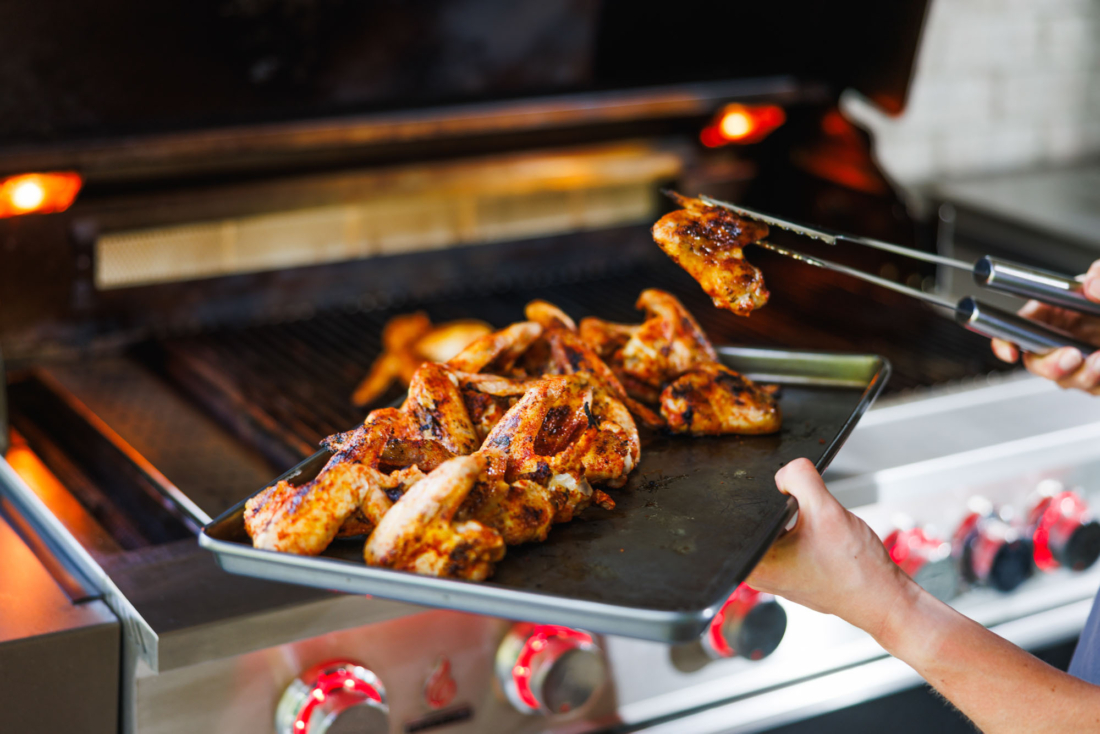
Certain foods handle cold conditions better than others. Thicker cuts and items with natural fat retain warmth and cook evenly. Griddle-friendly meals also shine in winter, thanks to consistent surface heat.
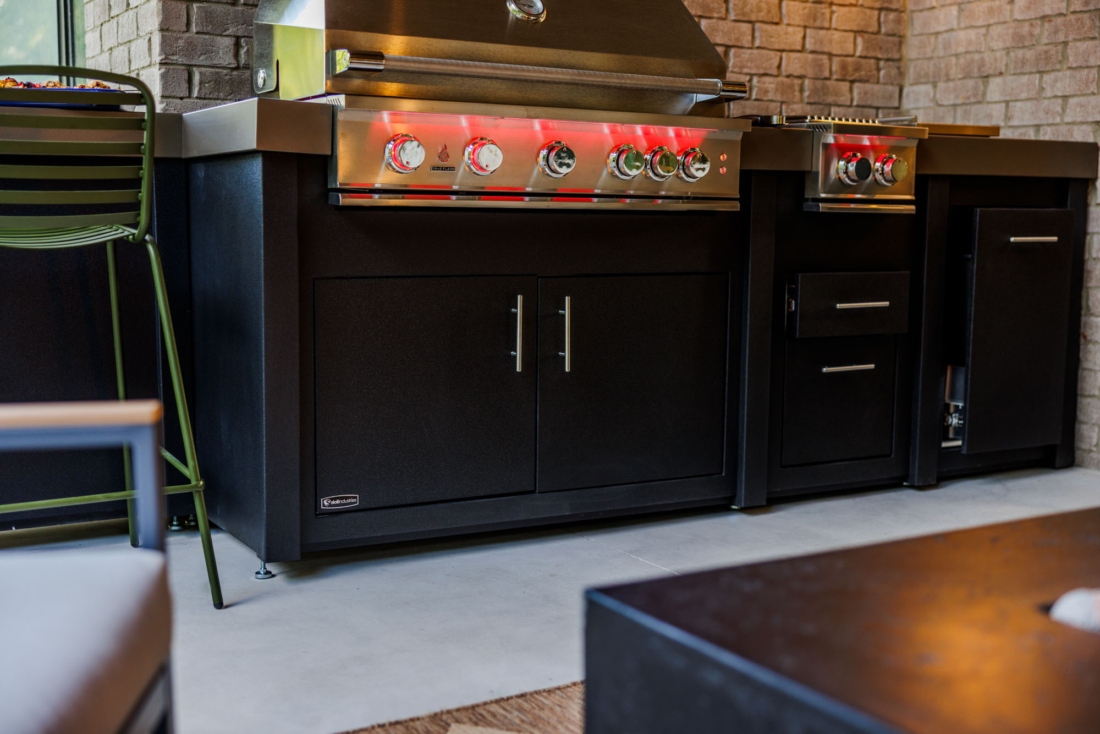
Cooking on a TrueFlame Griddle supports efficient preparation for breakfast foods, smash-style burgers, or quick stir-fry dishes that benefit from steady temperatures.
Tip 8: Match Menus to the Season
Winter menus work best when timing drives the plan. Faster cooks suit busy nights, while longer sessions feel rewarding when the grill can power through uninterrupted.
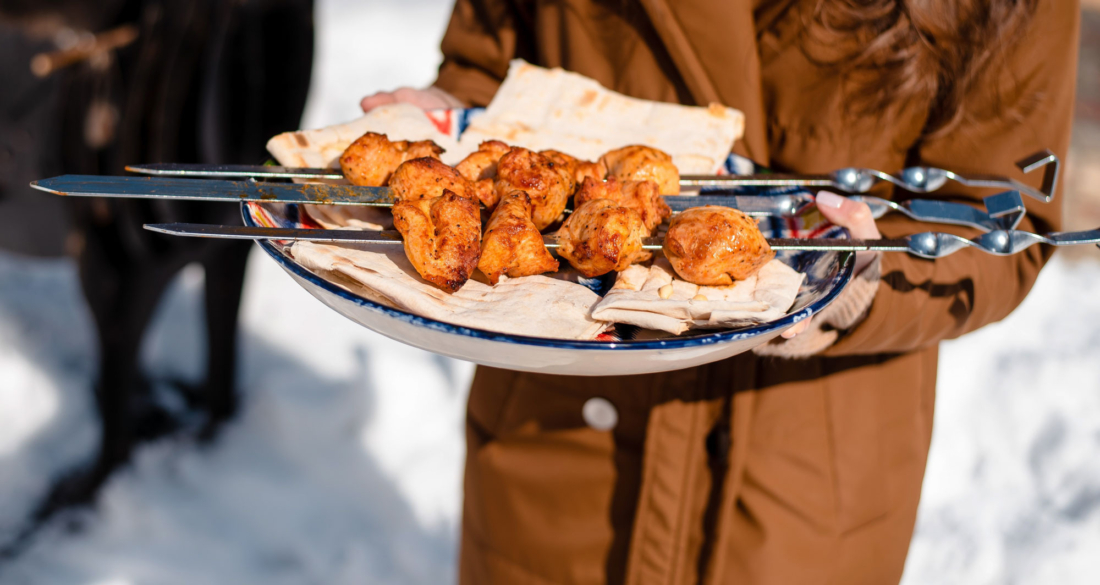
Serving strategy matters as well. Warm platters and brief resting time help food stay hot from grill to table, keeping meals enjoyable even on colder evenings.
Tip 9: Use Side Burners to Keep Everything Outdoors
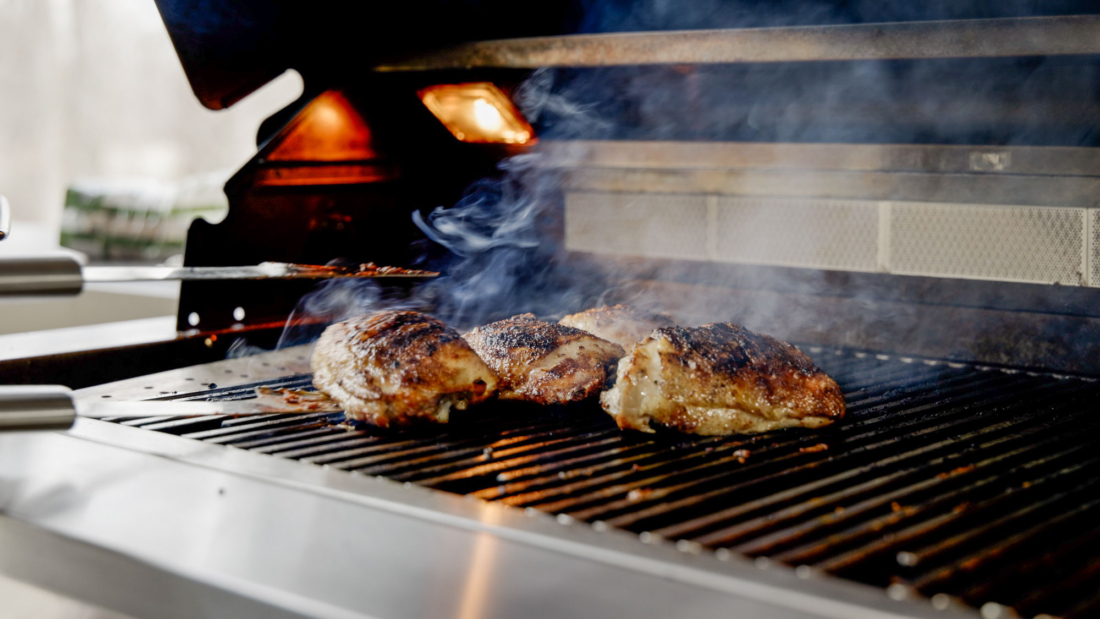
Side burners add flexibility during winter cooking. Sauces, sides, and high-heat tasks stay outside, keeping momentum intact and reducing back-and-forth trips indoors.
A Double Side Burner or Power Burner allows you to manage multiple elements of a meal in one place. That setup keeps the entire process organized, even when temperatures drop.
Tip 10: Cover and Reset the Grill After Each Cook
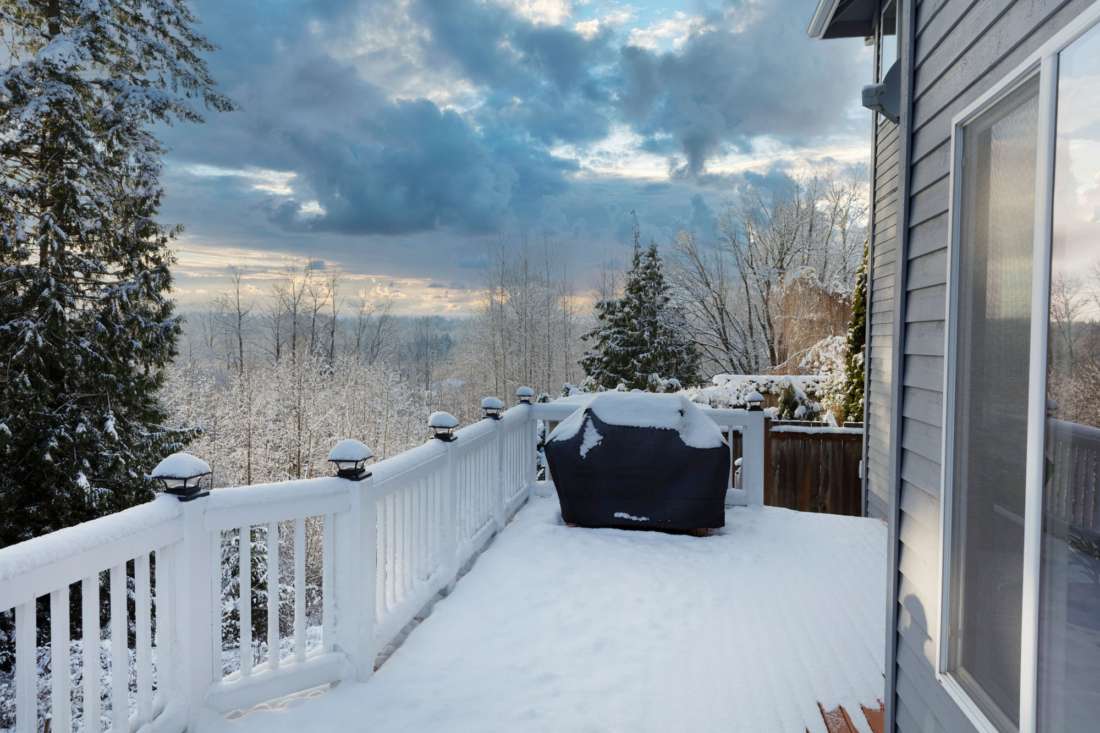
Post-cook care sets the stage for the next meal. Let the grill cool fully, then cover it to protect against moisture and temperature swings. This simple step shortens warm-up time later and keeps equipment ready.
Consistent protection supports reliable performance throughout the season and beyond.
Bringing Winter Grilling Into Your Outdoor Routine
The most effective cold-weather grilling tips focus on reducing friction rather than pushing limits. Clear access, steady heat, smart tools, and season-ready menus turn winter cooking into a natural extension of outdoor living.
TrueFlame designs outdoor kitchen equipment for dependable performance across changing conditions. From the precision of the TrueFlame Grill to the versatility of the TFE Grill, each product supports control and consistency when the weather shifts.
Cold temperatures don't have to signal a pause on outdoor cooking. With thoughtful preparation and the right habits, grilling remains a rewarding part of life outdoors year-round.