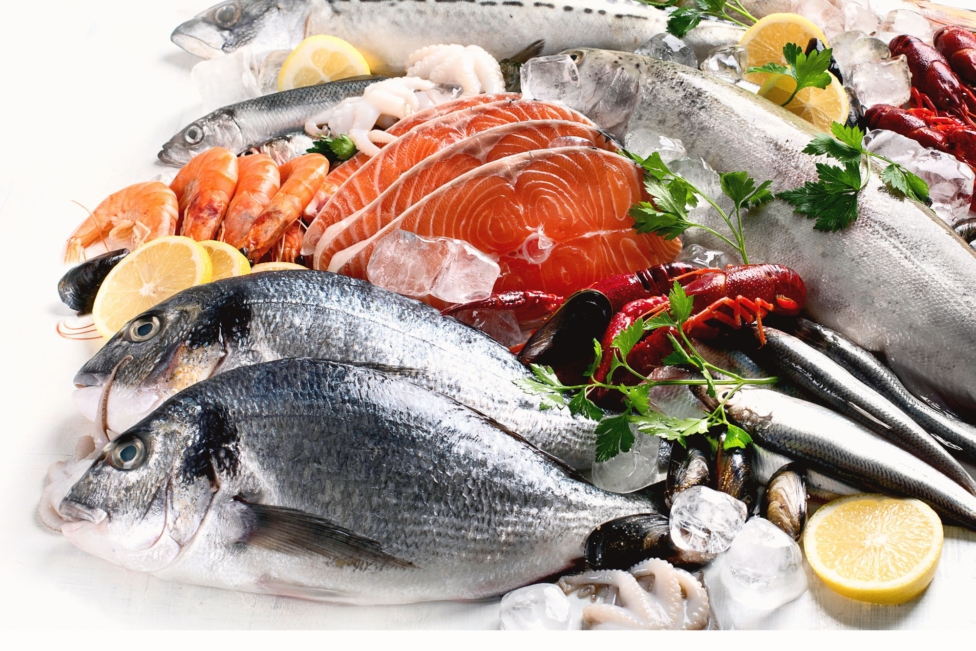
Seafood Grilling Tips for the Best Seafood Experience in Your Outdoor Kitchen
Outdoor cooking brings people together around fresh ingredients and food served straight from the heat. Seafood fits that vision perfectly—bright, clean flavors, crisp edges from the grill, and tender centers that stay moist and flavorful. With the right preparation and steady heat, these seafood grilling tips become practical habits you can use for the best seafood experience every time you light the grill.
TrueFlame outdoor kitchens are designed for this lifestyle. Consistent burners, organized prep space, and supportive accessories make seafood approachable and repeatable. Once you understand how fish and shellfish respond to flame, you can serve vibrant meals that highlight freshness and showcase what outdoor grilling does best.
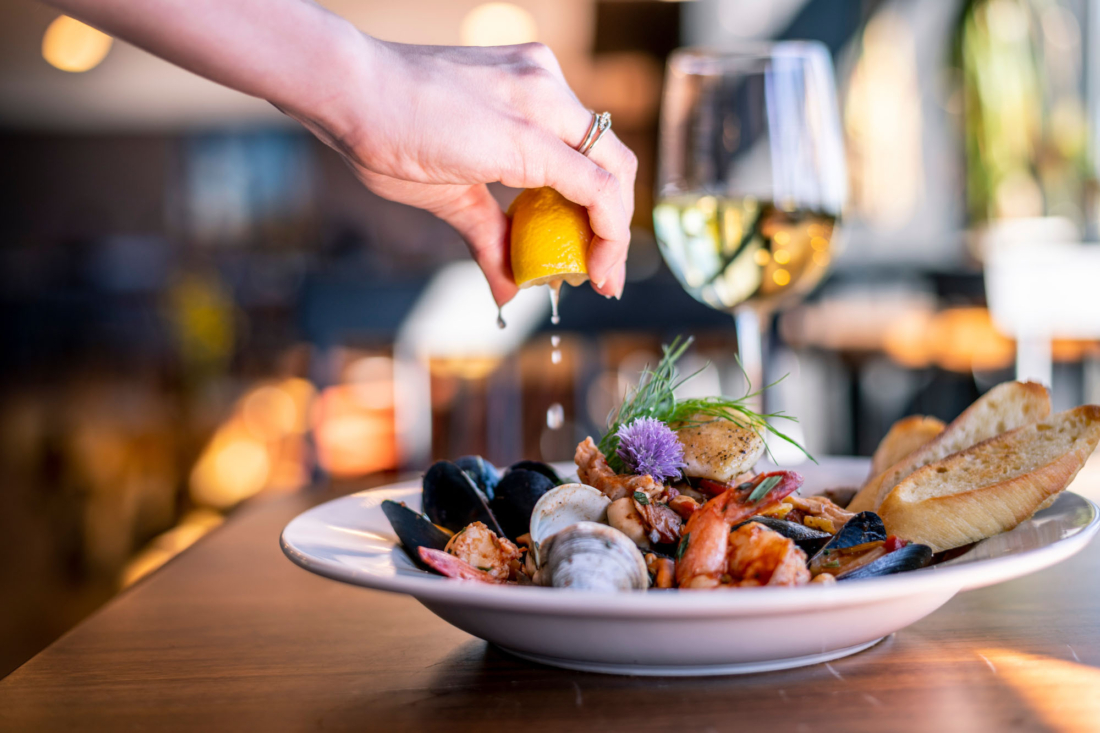
Why Seafood Cooks Beautifully Once You Know the Basics
Seafood behaves differently from steak or chicken. It contains less connective tissue, so it cooks faster. Lean flesh also means it can stick if the surface is not ready.
Still, those traits are predictable. Fish flakes when it reaches temperature. Shrimp curl and turn opaque. Tuna firms as it sears.
Keep these principles in mind:
- Seafood cooks quickly
- Thickness guides timing
- Clean grates prevent sticking
- Minimal flipping protects texture
Professional chefs often emphasize controlled heat and limited movement. That same approach works in your backyard with a well-built grill system.
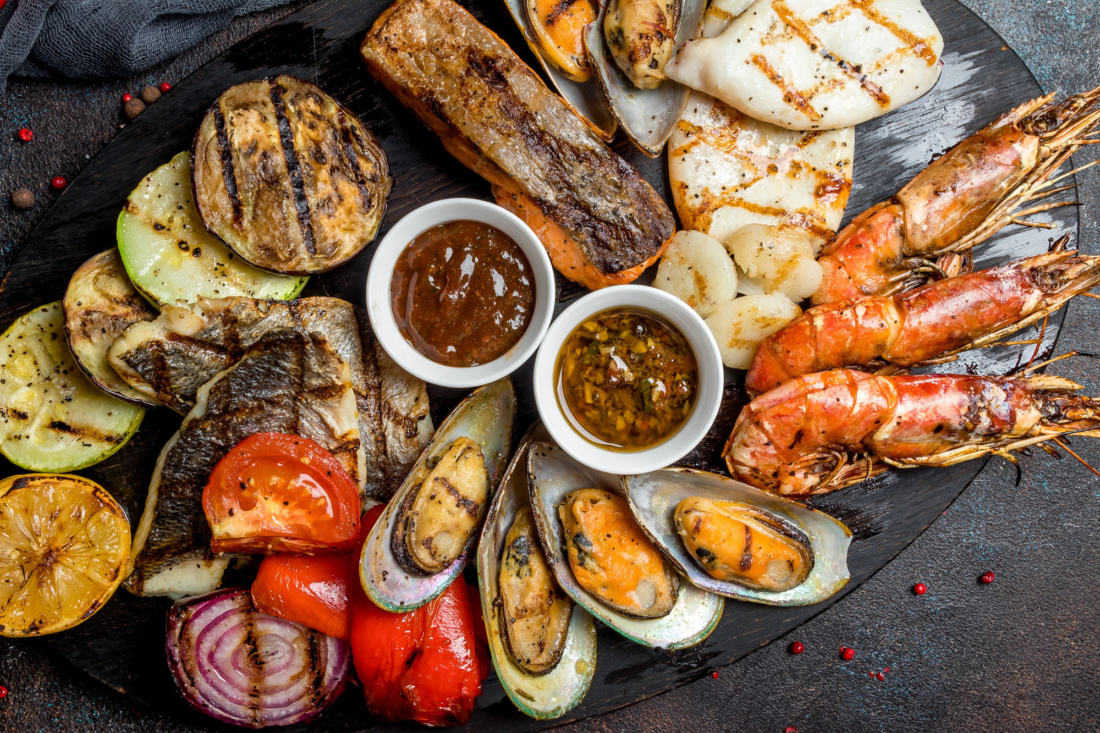
Start Strong with Cuts That Set You Up for Success
A thoughtful choice at the seafood counter makes grilling simpler from the start. Instead of guessing which fish will hold together over heat, select cuts that give you more control and flexibility. That one decision shapes the entire experience once you step outside and light the grill.
Thicker, firmer seafood responds more predictably to direct heat. It sears well, releases more easily from the grates, and stays moist inside while building color on the outside. Choosing the right cut lets you focus on cooking rather than worrying about breakage.
Choose Thick, Meaty Pieces
Begin with options that hold together well:
- Salmon fillets about one inch thick, skin-on
- Tuna steaks
- Swordfish
- Large shrimp
Thickness gives you room to manage heat. Skin protects delicate flesh. Shrimp remain sturdy and cook evenly, especially when threaded onto skewers. These selections create a smoother first experience and help you build skill with each cook.
Save Thin Fillets for Later
Delicate white fish such as tilapia or flounder require more finesse. They flake quickly and demand closer attention to temperature control. After gaining familiarity with thicker cuts, you can branch into lighter varieties with greater ease.
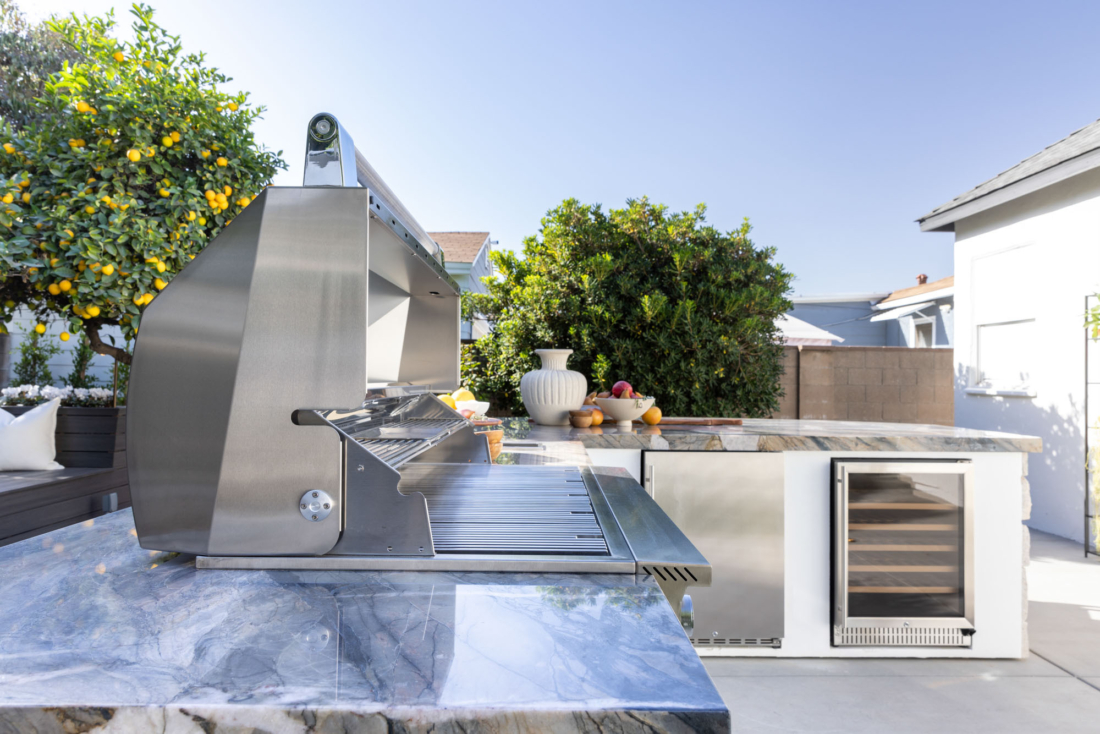
Seafood Grilling Tips: A Better Experience Begins with a Prepped Grill
Great results start before the fish touches the surface.
Build a Two-Zone Setup
Divide your grill into:
- A direct heat zone for searing
- An indirect zone for gentle finishing
On a TrueFlame built-in grill, set one group of burners to medium-high and another to medium or low. This setup allows you to shift food if the heat rises too quickly.
Two zones create flexibility. Flexibility reduces mistakes.
Clean and Oil at the Right Moment
Preheat fully. Then scrub the grates while hot. After cleaning, apply a thin layer of oil to the grates, or brush it directly onto the fish.
Hot metal plus light oil forms a barrier that helps prevent sticking and promotes even browning. TrueFlame grill construction supports consistent heat distribution, which keeps cooking predictable across the entire surface.
Patience Creates Perfect Grill Marks
Hot, clean grill grates play a major role in preventing sticking. Preheat the surface fully, scrub it while it's hot, and apply a light coat of oil before placing the fish. That preparation creates the foundation for clean release and defined grill marks.
Flipping too soon is the main cause of most sticking issues. Once the fish hits the grates, let it sear undisturbed. As proteins tighten and form a crust, the surface naturally releases from the metal. If resistance occurs when you attempt to turn it, allow it another minute over steady heat.
For a one-inch salmon fillet, expect about four to five minutes before the first flip.
Watch the Edges Instead of the Clock
Observe color changes along the sides. Opaque flesh moving upward signals progress. Firm texture with slight give indicates it is close.
Visual cues provide more reliable guidance than constant timer checks.
Accessories That Make Seafood Grilling Feel Effortless
Tools can support your technique, but they should reduce complexity rather than add it.
Use Baskets for Smaller Pieces
Grill baskets help with:
- Shrimp
- Scallops
- Smaller fillets
They allow easy turning and prevent pieces from slipping through grates.
Try Planks for Flavor and Protection
Cedar planks add subtle smoke and shield delicate fish from direct contact. Soak the plank for at least thirty minutes. Then place it over indirect heat and cook until done.
Planks pair especially well with salmon.
Choose Foil or Parchment for Low-Stress Cooking
Foil packets gently steam seafood and lock in moisture. Parchment allows mild smoke to pass through while still protecting the surface.
Add:
- Lemon slices
- Fresh herbs
- A splash of white wine
Seal the packet and place it over medium heat. Cleanup stays simple, and texture remains moist.
TrueFlame side burners let you warm butter or make a quick sauce while the fish finishes on the grill.
Marinades That Bring Out the Best in Every Cut
Seafood absorbs seasoning quickly, so balance matters.
Keep Acid Short
Limit acidic marinades with lemon juice or vinegar to twenty to thirty minutes. Longer exposure can soften the exterior.
Oil-based mixtures with herbs and spices offer greater flexibility and performance.
Finish With Fresh Brightness
Instead of soaking overnight, try:
- Fresh lemon squeezed just before serving
- Herb butter brushed during the final minute
- A light glaze added near the end
These finishing touches boost flavor while preserving structure.
Mastering Timing for Perfectly Grilled Seafood
Understanding timing transforms seafood from intimidating to manageable. Because fish and shellfish cook faster than most proteins, small adjustments in heat and duration make a noticeable difference. Many grilling mishaps occur not from a lack of skill but from guessing rather than observing.
When you use thickness, visual cues, and steady heat as your guide, you gain far more control over the final result. Consistent grill performance—like that delivered by a TrueFlame system—supports this process by maintaining even temperatures across the cooking surface, which prevents sudden spikes that can dry out delicate proteins.
Use Thickness as Your Guide
Plan for about eight to ten minutes of total cook time per inch, flipping halfway through. Adjust based on heat level and grill performance.
Keep the lid closed as much as possible to maintain a steady temperature.
Use Temperature as Reassurance
An instant-read thermometer adds clarity:
- Salmon: 130–135°F
- Tuna: 125–130°F
- White fish: 140–145°F
Remove the fish just before it reaches your target temperature. Carryover heat finishes the cook.
TrueFlame refrigeration units keep seafood properly chilled until it's time to grill. Built-in sinks and prep stations streamline trimming and seasoning outdoors, reducing trips inside.
Your First Seafood Cookout: A Plan for Success
Follow this structure for a strong start:
- Select a one-inch salmon fillet with skin.
- Preheat your TrueFlame grill and create two zones.
- Clean and lightly oil the grates.
- Place the salmon, skin-side down, over direct heat.
- Leave it undisturbed for four to five minutes.
- Flip once and move to indirect heat if needed.
- Remove at 130–135°F and rest briefly.
Seafood grilling tips for the best seafood experience rely on preparation, patience, and steady heat. TrueFlame outdoor kitchen products provide the stability and organization needed for consistent results. With thoughtful setup and attentive cooking, seafood becomes one of the most satisfying meals you can prepare outdoors.