Outdoor Christmas Grilling Tips That Keep Holiday Hosting Easy and Enjoyable
Cold air, shorter days, and a full guest list can challenge even experienced hosts during Christmas hosting. These outdoor Christmas grilling tips help turn that busy holiday into a relaxed, well-paced celebration. A steady plan keeps the grill reliable, protects your timeline, and lets you stay part of the Christmas BBQ instead of managing it from the sidelines. This article focuses on preparation, technique, and flexible pacing to make outdoor cooking feel natural, even when winter weather sets the tone.

A Thoughtful Start Creates a More Enjoyable Christmas
A calm holiday cook begins long before the grill heats up. Early preparation shapes how the entire day unfolds, especially when winter conditions add pressure. When setup feels intentional, the rest of the experience follows suit. Instead of reacting to minor issues as they appear, you move through the day with fewer interruptions and more confidence. That sense of ease sets the tone for both the food and the gathering itself.
Create a Clear, Comfortable Grill Zone
Winter gatherings bring heavier coats, extra movement, and more people offering help. Clear walkways reduce slips and keep traffic flowing away from the cooking area. Define a safe work zone around the grill so tools stay within reach and guests know where not to step. This approach supports smoother movement and fewer interruptions once the food starts cooking.
Prepare the Grill for Cold-Weather Cooking
Cold temperatures reveal small issues fast. Before guests arrive, check fuel levels, ignition response, and cooking surfaces. Clean grates and manage grease to keep heat even and flare-ups unlikely. These steps support consistent performance and reduce surprises later in the day.
Set Up a Simple Grill-to-Table Station
A nearby surface for trays, foil pans, and resting food saves time and effort. This handoff spot limits trips indoors and keeps hot dishes organized. With everything staged, transitions feel easy rather than rushed.
Outdoor Christmas Grilling Tips That Support Steady, Reliable Heat
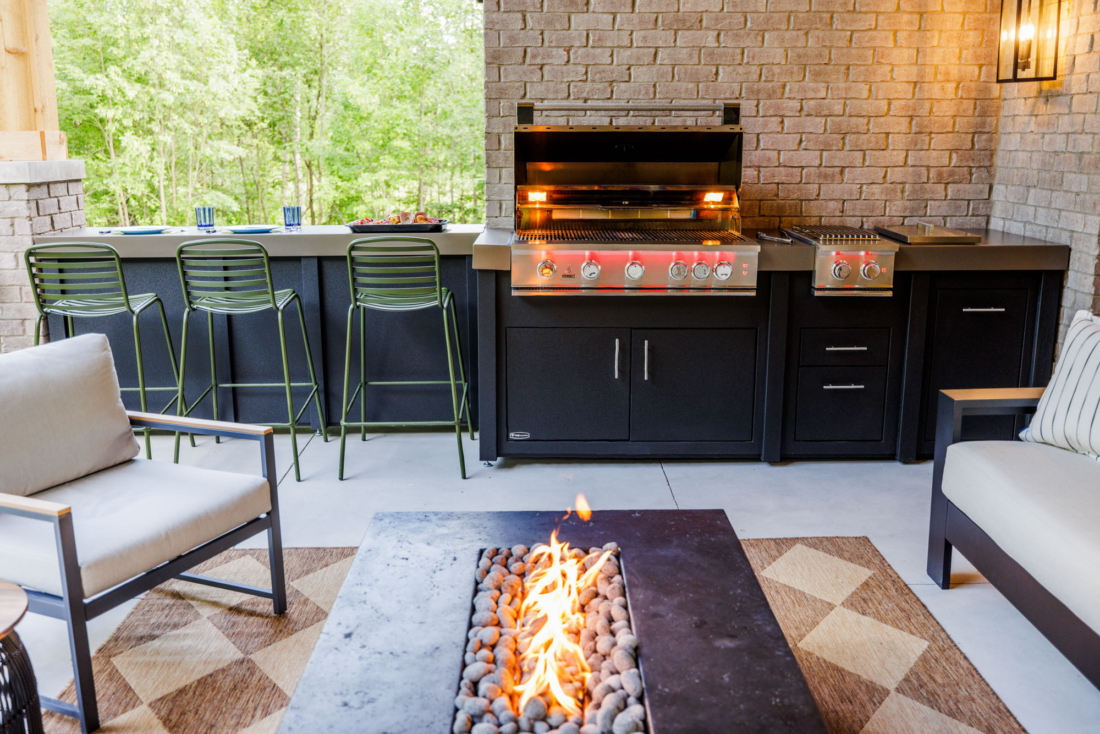
These outdoor Christmas grilling tips become especially valuable once the cook begins. Winter weather affects heat retention, airflow, and cook times, yet thoughtful adjustments and premium TrueFlame grills keep everything predictable. Rather than chasing temperature swings, you create an environment where the grill performs consistently from start to finish.
Preheat with Patience and Trust the Lid
Cold metal needs extra time to warm. Allow a longer preheat before adding food, then keep the lid closed as much as possible. Each lift releases heat, extending cook times. Trust your setup and let the grill maintain temperature without constant checks.
Use Wind Positioning to Support Consistent Cooking
Wind pulls warmth away quickly. Place the grill to reduce direct exposure while keeping vents open. Avoid enclosed areas or blocked airflow. Safe positioning supports steady heat and keeps the cooking space comfortable throughout the evening.
Plan Extra Time and Use Rest Periods Well
Expect longer cooks during winter. Build that reality into your plan rather than reacting to it. Resting food offers a chance to finish sides, warm plates, or gather guests. Time set aside early often returns calm later.
Tools That Help Christmas Hosting Feel Effortless
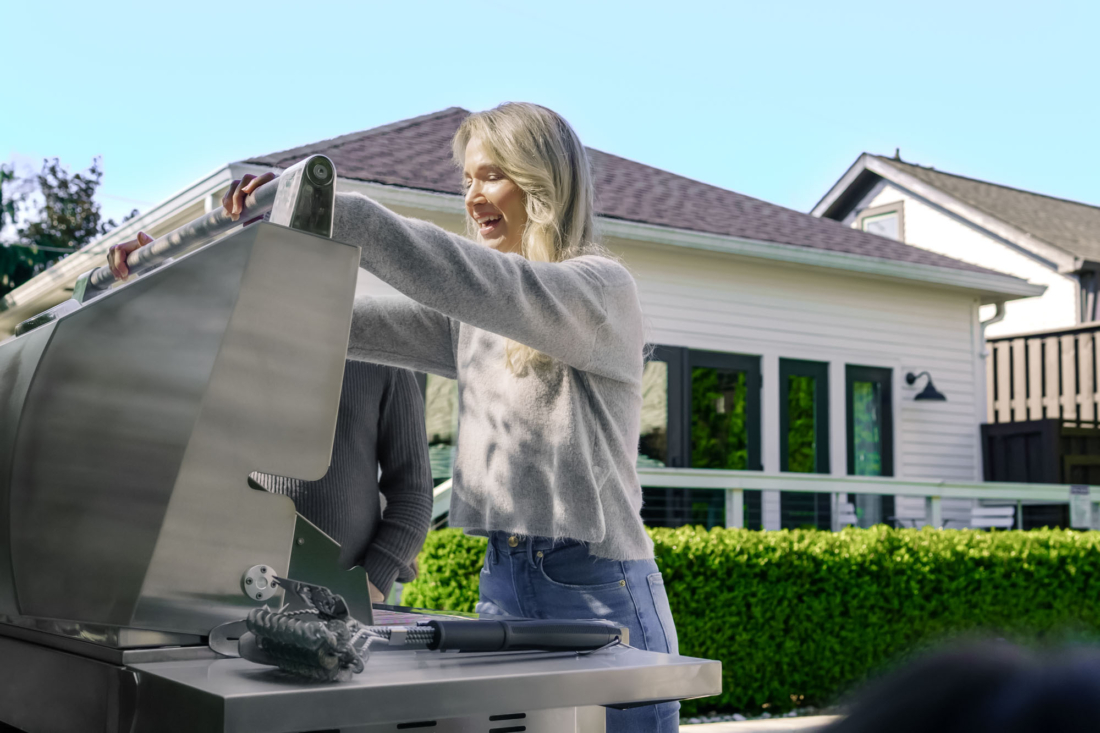
The right tools do more than support cooking—they support the host. Thoughtful accessories reduce guesswork, limit unnecessary trips, and help you stay engaged with guests. When tools work quietly in the background, attention stays where it belongs: on the gathering.
Rely on a Two-Thermometer Setup
A leave-in probe tracks internal temperatures without lifting the lid, while an instant-read thermometer confirms doneness at the finish. This pairing protects heat and reduces hovering. Fewer checks mean fewer interruptions during Christmas hosting.
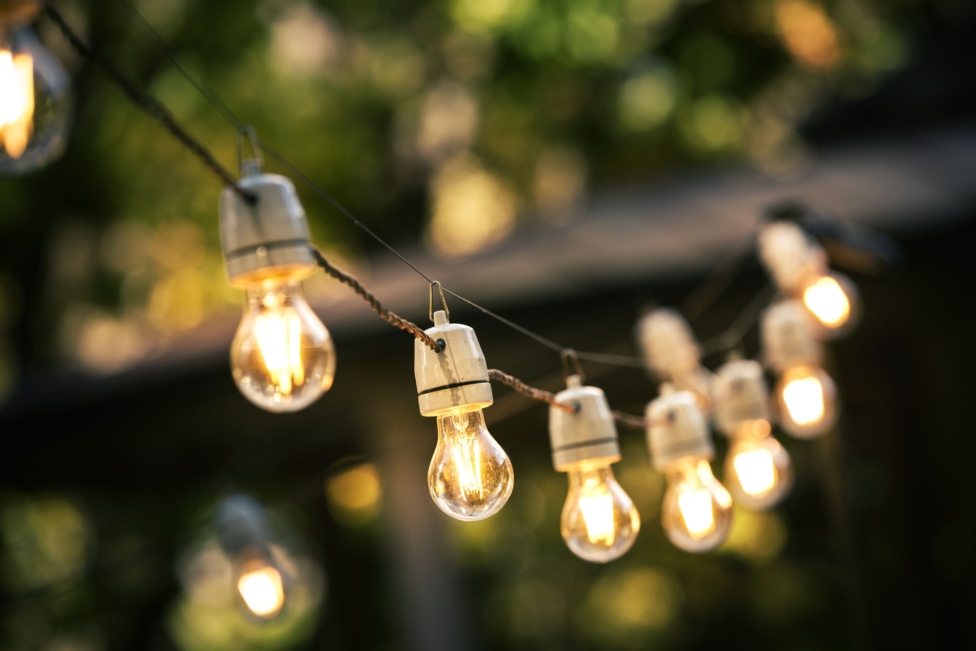
Light the Cook Area for Easy Movement
December evenings arrive early. Good lighting around the grill improves safety and speeds up cooking. Clear visibility supports confident steps, smooth flips, and quick transfers. Lighting also adds warmth to the outdoor setting.
Keep a Backup Kit Within Reach
Prepare a small kit with heat-resistant gloves, long tools, foil, drip pans, and extra fuel. These items handle quick fixes without stress. A prepared host avoids last-minute scrambles during a Christmas BBQ.
Christmas BBQ Menu Planning That Brings Ease to the Table
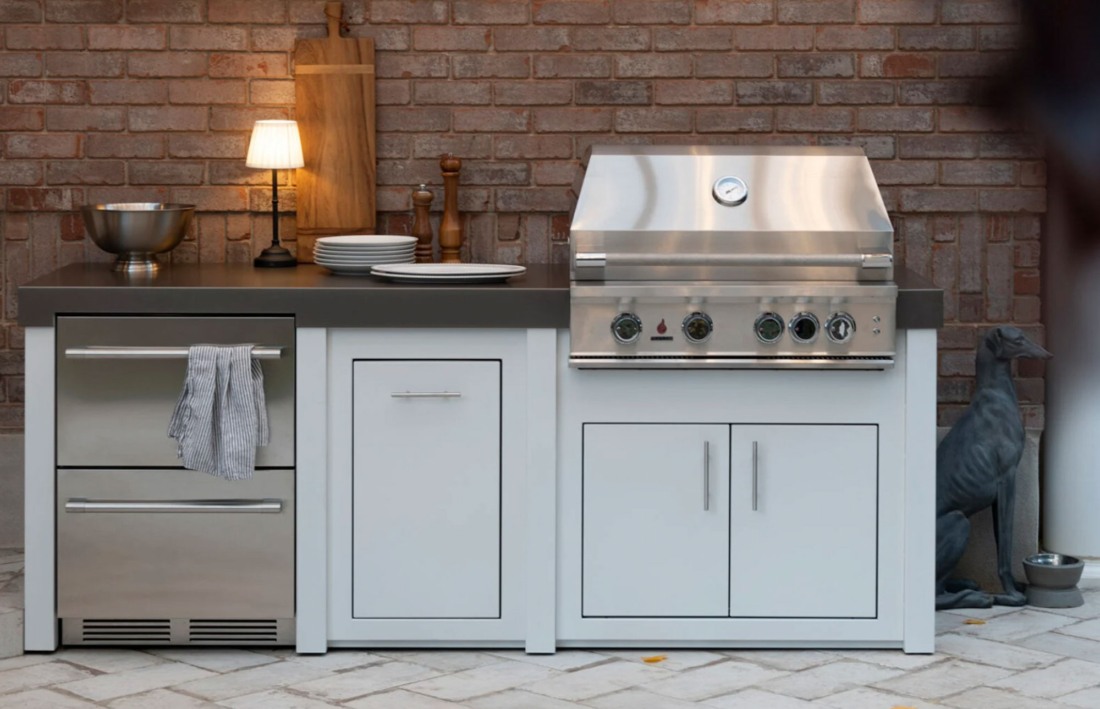
Menus influence the pace of the entire holiday. A thoughtful Christmas BBQ plan removes pressure by aligning timing, heat, and the flow of serving. Instead of juggling multiple peak moments, the meal unfolds in stages that feel manageable and rewarding.
Choose One Main Dish That Fits Your Timeline
Select a main based on serving time rather than tradition alone. Large cuts, roasts, or whole birds each require different pacing. One anchor dish simplifies planning and keeps attention focused where it belongs.
Add Sides That Cook During Rest Time
Sides that tolerate indirect heat or foil-pan cooking fit well into winter grilling. While the main rests, the sides finish quietly without competing for space. This overlap keeps the grill productive and the kitchen calm.
Start with an Early Bite to Ease the Pace
An early-cooked appetizer keeps guests comfortable while temperatures settle. Small bites ease anticipation and allow flexibility if the main dish needs extra minutes. Early snacks support steady momentum.
Outdoor Christmas Grilling Tips for a Schedule That Stays Flexible
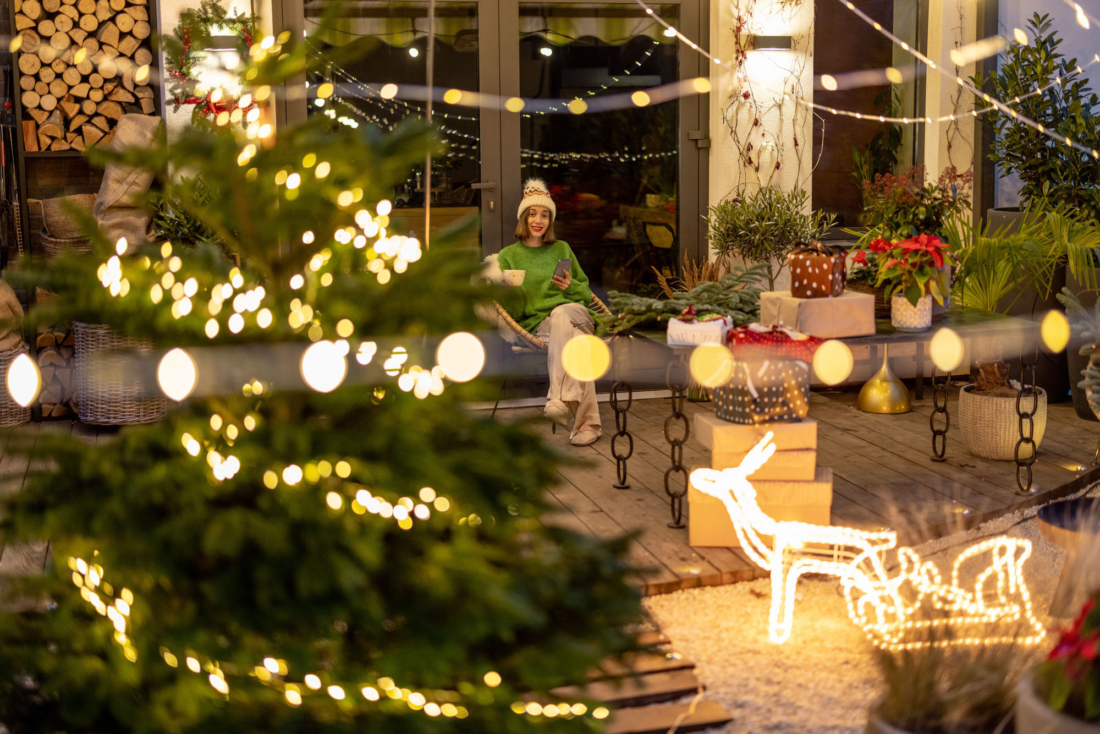
Even the best holiday plans shift as the day unfolds. These outdoor Christmas grilling tips work best when they allow for adaptation without stress. A flexible structure keeps momentum strong, even when timing changes.
Follow Three Simple Checkpoints
Break the cook into clear phases:
- Start: preheat, placement, and probe setup
- Middle: fuel check and temperature stability
- Finish: rest time and serving flow
These checkpoints guide adjustments without resetting the plan.
Use Simple Adjustments When Timing Shifts
If delays occur, hold temperatures steady rather than rushing. Extend cook time gently or simplify side finishes using foil pans. These adjustments protect food quality and maintain a relaxed mood.
Safety Habits That Help the Evening Flow Smoothly
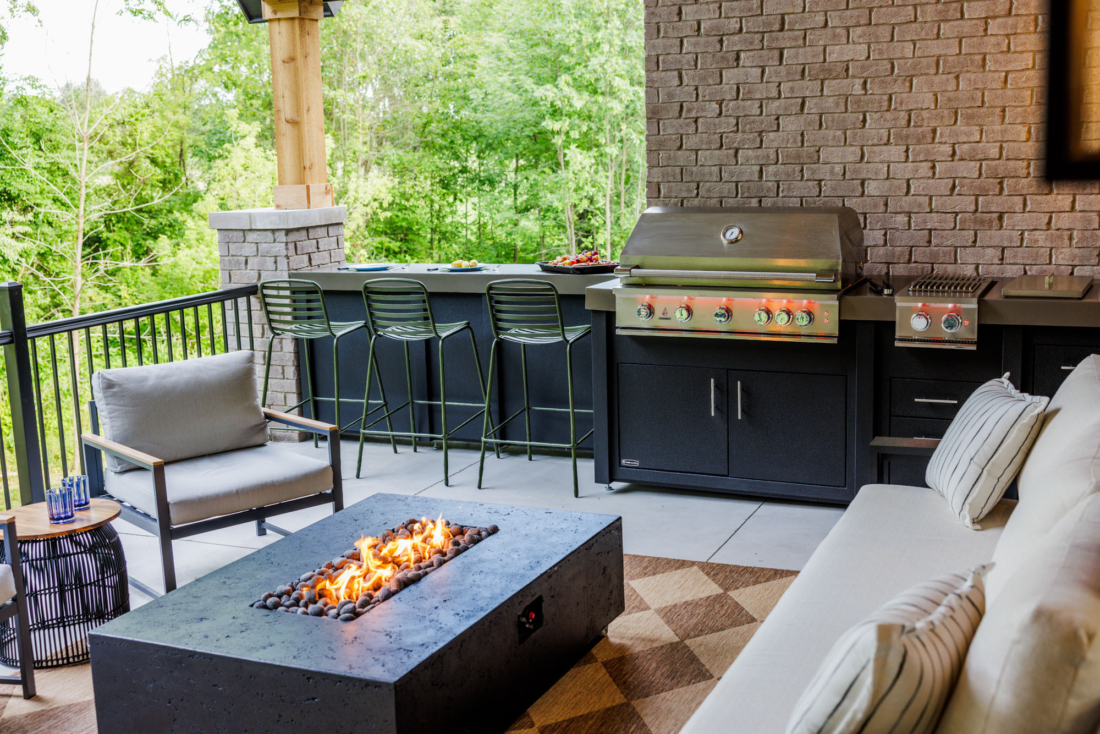
A relaxed atmosphere depends on feeling secure in the setup. Winter conditions add variables that deserve attention, yet safety habits can blend naturally into preparation. When precautions feel routine, the evening moves forward without distraction.
Manage Grease for Reliable Performance
Cold weather does not reduce grease buildup. Clean surfaces and manage drippings to avoid sudden flare-ups. A clean grill delivers predictable results and steady pacing.
Place the Grill with Winter Conditions in Mind
Set the grill on stable ground with proper clearance from walls and railings. Maintain open ventilation and avoid enclosed areas. Smart placement supports both safety and confidence throughout the event.
A Finish That Brings Everyone Back Together
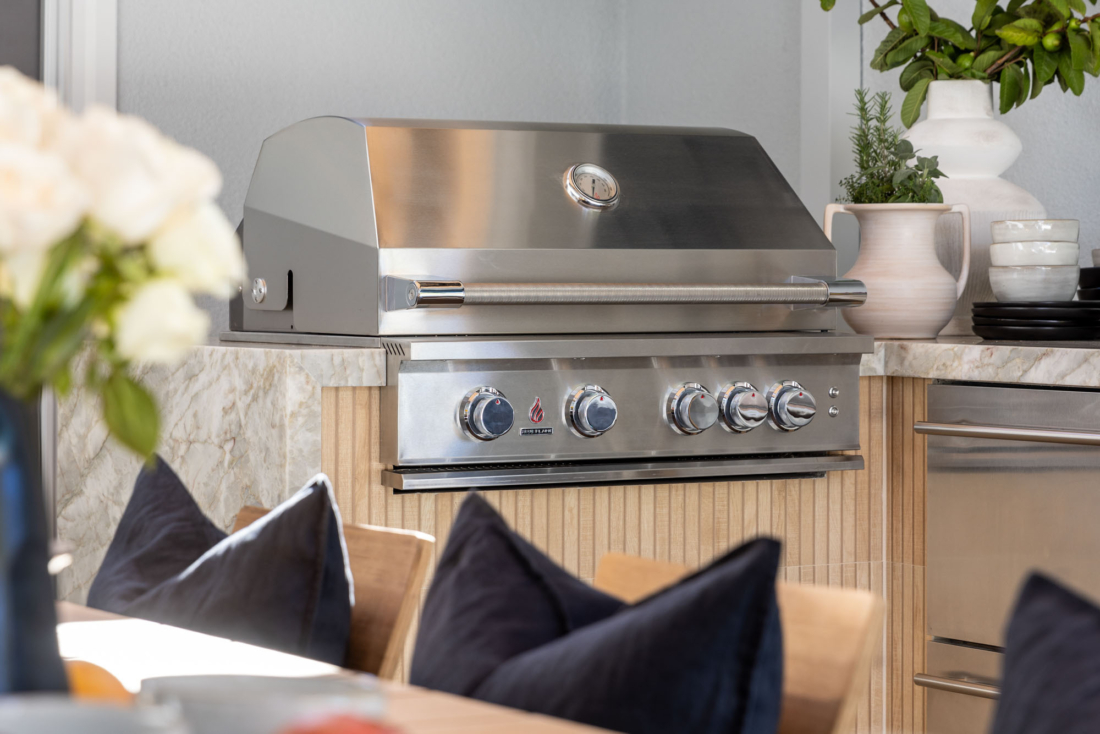
Preparation, steady technique, and flexible timing help the grill work in your favor. With the right approach, outdoor cooking blends naturally into Christmas hosting, allowing you to rejoin the table and enjoy the moment. These outdoor Christmas grilling tips and TrueFlame designs help prepare outdoor cooking spaces that support gatherings like these—spaces built for reliability, comfort, and shared time around the fire.