How to Set Up Indirect Heat on a Gas Grill for Multi-Zone Grilling
Knowing how to set up indirect heat lets ribs cook slowly while steaks wait for a hot sear and vegetables take on just the right amount of char. Instead of preparing each part of dinner separately, you can divide a gas grill into distinct heat zones and keep the whole meal moving outside. TrueFlame grills make that style of cooking especially practical with independent burners and heat zone separators that help create different conditions across the grates. Once you understand where to place the heat and food, a varied backyard menu becomes much easier to coordinate.
How to Set Up Indirect Heat on a Gas Grill
Indirect grilling starts by separating the food from the active burner below it. Rather than exposing ingredients to constant flame, neighboring burners warm the grill chamber while the closed hood holds that heat around the meal.
Start by preheating your grill. Once it reaches the range called for in your recipe:
- Choose where you want the indirect portion.
- Turn off the burner directly beneath that spot.
- Leave the appropriate neighboring burners active.
- Set slower-cooking food above the unlit burner.
- Close the hood to hold heat around the ingredients.
- Adjust the lit burners gradually to reach the desired temperature.
Indirect does not always mean low heat. The term describes where food sits in relation to the flame. Ribs may need a gentler environment than roasted vegetables even though neither dish sits directly above an active burner.
Always follow the operating instructions for your specific TrueFlame model.
Build a Multi-Zone Gas Grill Setup for the Whole Meal
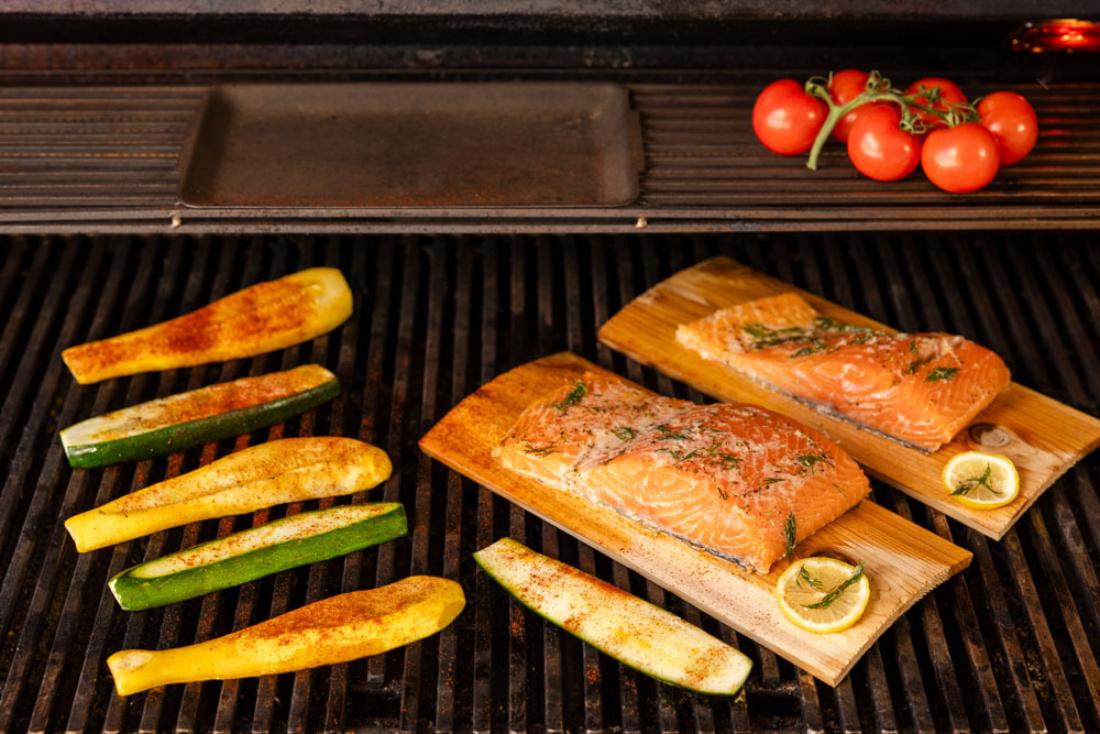
Multiple burners let you organize the grill around dinner instead of asking every ingredient to cook under identical conditions.
The number and position of burners determine the arrangements available.
| Grill Layout | General Arrangement | Indirect Area | Food Placement |
|---|---|---|---|
| 2 burners | One active, one inactive | Unlit side | Above inactive burner |
| 3 burners | Selected outside heat | Center | Above unlit middle burner |
| 4+ burners | Selected burners remain active | One or more open areas | Above inactive burners |
Treat these configurations as starting points. Food size, weather, recipe temperature, and the grill itself can influence which arrangement makes sense.
A two-burner model can provide direct heat on one side while the other handles slower cooking. With three or more burners, you gain room to create a hot searing spot beside moderate and indirect portions.
Cook Ribs, Steaks, and Sides at Their Own Pace
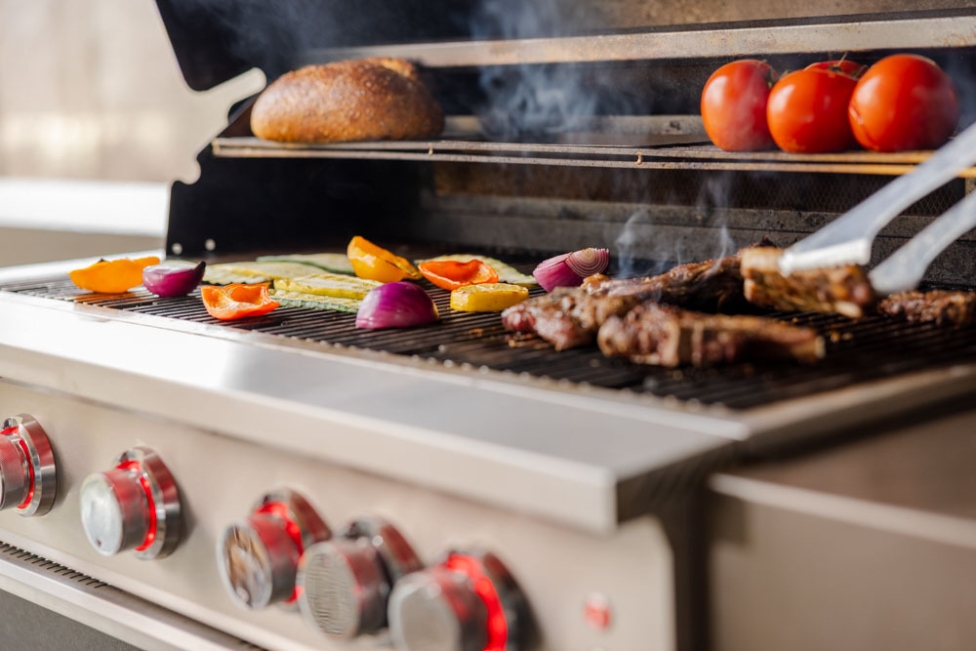
A varied backyard dinner shows what multi-zone grilling can do.
Start ribs over an inactive burner, where they can cook according to your recipe with the hood closed. Reserve another part of the grill for vegetables. Meanwhile, keep a hotter direct spot ready when the steaks are ready to sear.
As dinner progresses, move ingredients instead of resetting every burner.
- Ribs: Let them cook away from direct flame so they have time to develop tenderness.
- Steaks: Sear over higher heat, then transfer thick cuts to a gentler spot if the center needs more time.
- Vegetables: Give them enough heat to develop color, then reposition them if the exterior gets ahead of the interior.
- Glazed foods: Move them farther from the flame when sweet sauces begin darkening too quickly.
This is a practical way to cook multiple foods at different temps on a gas grill. More importantly, the method helps dinner come together without sending the cook back and forth between the kitchen and patio.
Put TrueFlame Heat Zones to Work
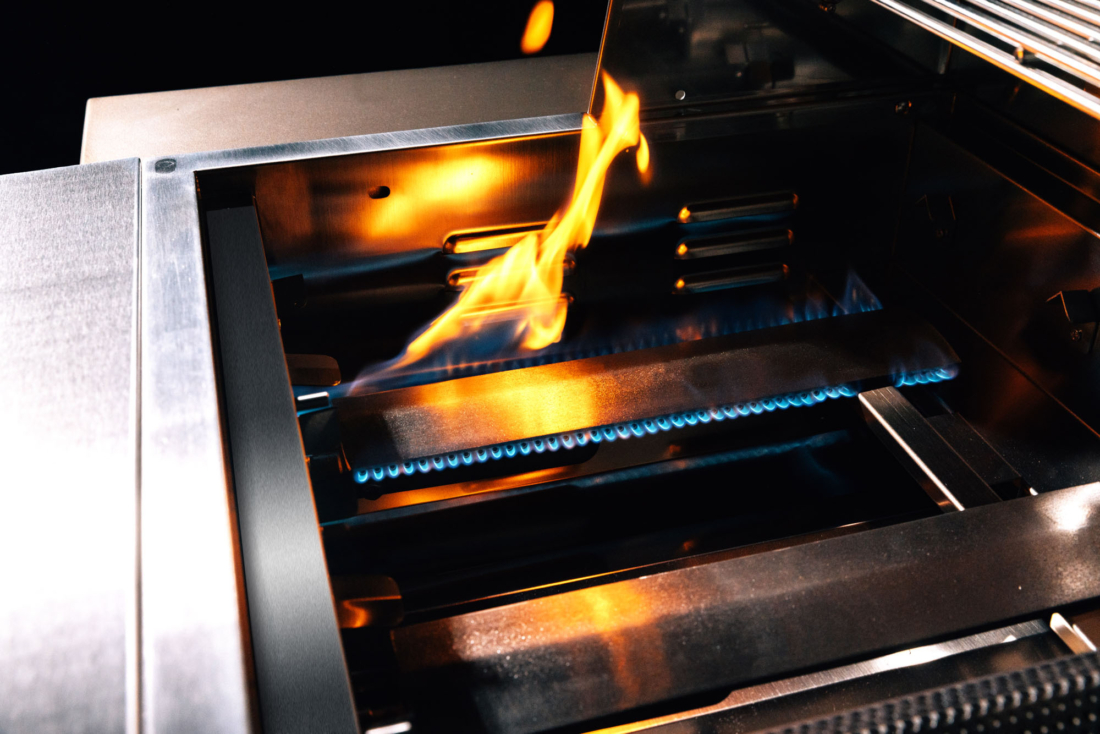
The TrueFlame TF Grill is made for varied menus like these. Available in 25-, 32-, and 40-inch models, it features individual 14,000 BTU cast stainless steel burners along with heat zone separators for temperature control.
Those separators are especially useful when neighboring foods need different conditions. Ribs can remain in gentler surroundings while another portion stays ready for vegetables or a steak's final sear.
The TrueFlame TFE Grill offers another route to flexible backyard cooking. Available in 25- and 32-inch configurations, the TFE pairs individual 14,000 BTU stainless steel tube burners with heat zone separators.
Independent controls let you respond to the food rather than treating the entire grill as one temperature environment. That becomes particularly helpful when a relaxed dinner grows into a full menu for family or friends.
Follow a Gas Grill Setup Guide for Steady Heat
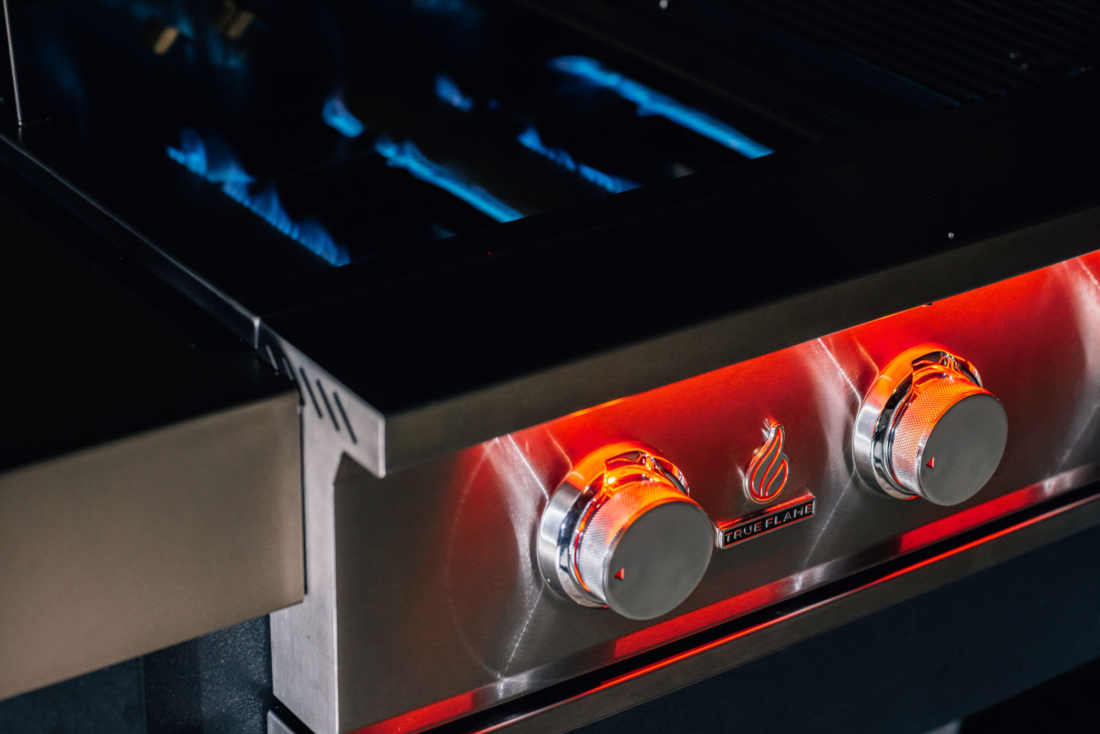
Creating the zones gets dinner started. Stable temperatures help each dish stay on course.
Allow the grill to settle after changing a burner setting. Constant adjustments can make heat harder to control because the chamber needs time to respond.
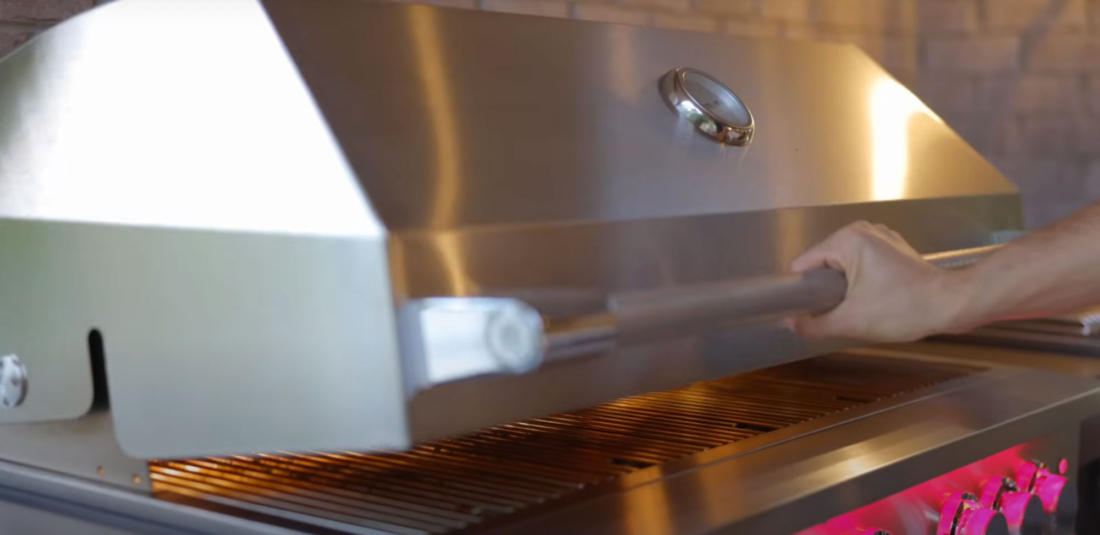
Keep the hood closed whenever the recipe permits. Opening it releases accumulated warmth, so give the grill time to recover after checking the food. If the ribs are cooking faster than planned, reduce the active burner supplying the surrounding heat rather than firing the burner directly beneath them.
Outdoor conditions can also affect performance. Wind may contribute to uneven heating, so pay attention to its direction before and during the cook. TrueFlame offers compatible wind guards for situations where airflow enters through the rear of the grill.
Pair Direct and Indirect Heat for a Great Finish
Direct and indirect cooking become even more useful when both are available during the same meal.
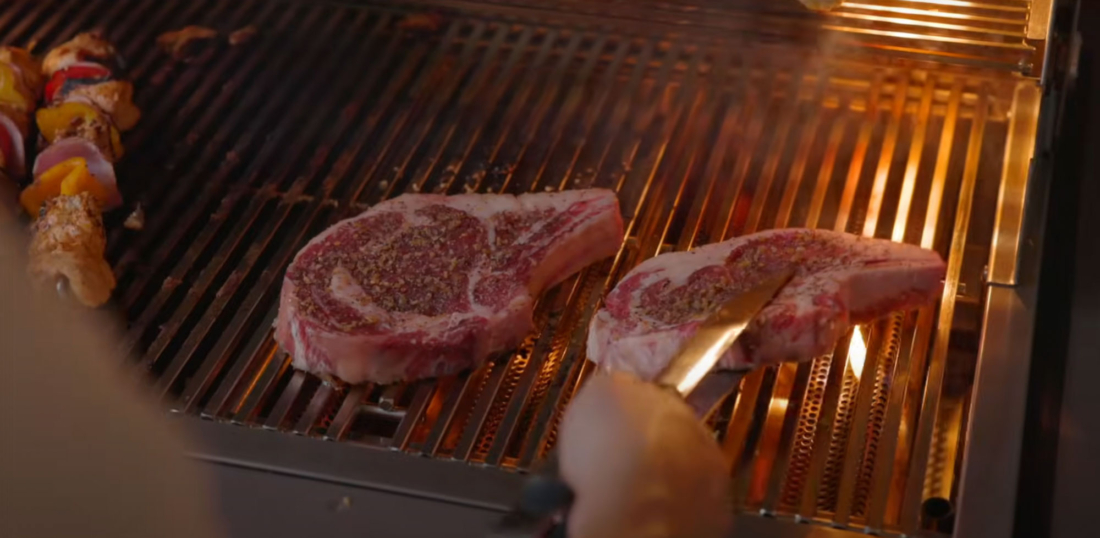
A thick steak can start over high heat to develop a rich sear before moving to a milder portion where the center continues cooking. Reverse searing takes another route, bringing a suitable cut closer to the desired internal temperature over gentler heat before giving it a final turn above the hotter burner.
Meanwhile, the ribs can continue cooking away from the flame, and vegetables can move between warmer and cooler spots depending on how quickly they brown.
Having several areas ready means you can respond to what you see on the grates. That makes grilling feel less like watching a timer and more like cooking the meal as it develops.
Give Larger Cuts the Time They Need
Some foods simply benefit from spending more time away from direct flame.
Whole chickens, ribs, roasts, pork loins, thick chops, bone-in poultry, and substantial steaks are natural candidates. Their exterior can brown well before the center finishes, especially when they remain over intense heat throughout the cook.
Sauces add another consideration. Sweet glazes may darken quickly above a strong flame. Moving those foods to an indirect spot gives the interior more time while helping protect the exterior.
For meat and poultry, follow the recipe and verify doneness with a food thermometer. Use USDA guidance to confirm safe minimum internal temperatures.
Match the Heat to the Food on the Grill
No single temperature defines indirect grilling.
Lower settings suit recipes designed for extended cooking or smoking. Moderate heat supports many roasting applications, while higher indirect temperatures can handle vegetables, potatoes, breads, and other foods that need plenty of surrounding warmth without direct flame below.
Let the recipe establish your target temperature. Then adjust the active burners supplying that heat.
For a mixed menu, each part of the grill can play a different role. The ribs might need patience while vegetables prefer more energy. Later, the steaks can take center stage over a hotter burner.
Instead of building dinner around one grill setting, you are arranging the grill around dinner.
Put the Right Grilling Tools Within Reach
A few useful accessories can make multi-zone cooking easier to manage.
A meat thermometer lets you check steaks, ribs, and poultry without relying on time alone. For suitable recipes, a drip pan can collect rendered fat beneath food cooking away from the flame while helping limit flare-ups.
TrueFlame also offers accessories that add more cooking options, including rotisserie kits, a smoker tray, griddle plate, infrared sear burner, and wind guards.
A smoker tray pairs naturally with longer cooks when you want another layer of flavor. The infrared sear burner brings concentrated heat to steaks and other foods that benefit from a strong finish. Rotisserie cooking uses surrounding warmth to prepare poultry and larger cuts while they rotate.
Choose tools that match how you like to cook. A backyard kitchen becomes far more personal when its equipment reflects the meals you enjoy sharing.
Give the Grill More Room with Outdoor Kitchen Components
Multi-zone cooking does not mean every part of dinner has to compete for grate space.
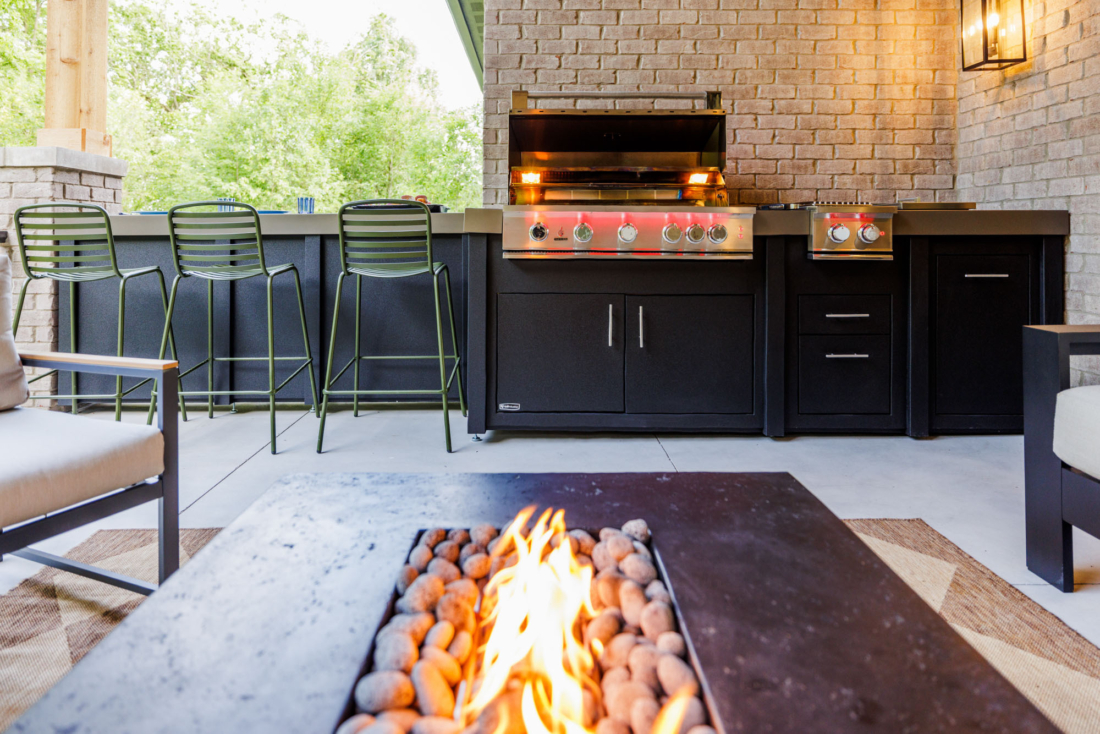
TrueFlame side and power burners can handle sauces, skillet sides, boiling, and sautéing while the grill stays dedicated to ribs, steaks, vegetables, or another centerpiece. Storage keeps utensils and supplies nearby, while outdoor refrigeration puts chilled ingredients and drinks within easy reach.
With a sauce simmering beside the grill, cold ingredients close at hand, and the main course cooking a few feet from the table, there is little reason to keep running back inside.
Browse TrueFlame outdoor kitchen products to see how grills and complementary components can come together around the way you cook.
Keep Dinner Moving with Simple Heat Adjustments
Even a good setup may need small changes as food cooks.
If the grill gets hotter than planned, reduce the active burners and allow the chamber to settle. After opening the hood, give temperatures a chance to recover before changing another control.
Uneven browning may only require rotating or repositioning the food. When flare-ups occur, move the affected item farther from the active flame. A drip pan can also help with rendered fat during suitable longer cooks.
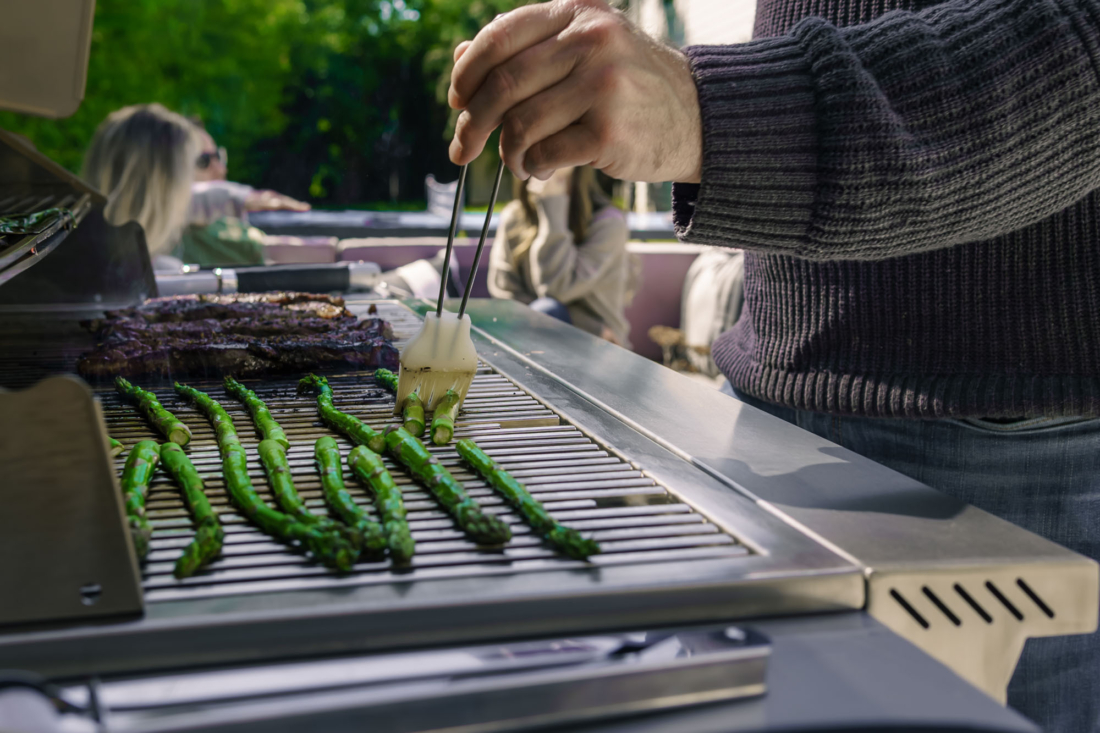
If a steak develops the exterior you want before the center is ready, transfer it to indirect heat. Vegetables that are browning too quickly can move to a milder spot. Ribs can stay where steady surrounding warmth gives them the time they need.
Small adjustments are part of grilling a full menu. With several heat levels available, you can move the food whenever the meal calls for a change.
Bring More of Dinner Outside with Multi-Zone Grilling
Once you know how to set up indirect heat, ribs can cook steadily while vegetables pick up color nearby and steaks wait for their turn over hotter direct heat. Each dish gets the conditions it needs, yet dinner still comes together on one grill.
TrueFlame grills support that style of backyard cooking with independent burners, heat zone separators, and accessories suited to a wide range of techniques. Add complementary kitchen components, and dinner can move from prep to grill to table without pulling the cook away from everyone gathered outside.
The reward is not simply better use of the grill. It is more about spending the evening where you wanted to be in the first place: outside, with good food on the way and good company already there.